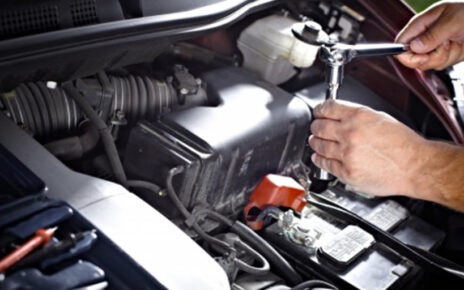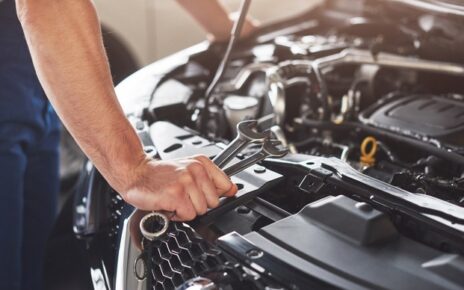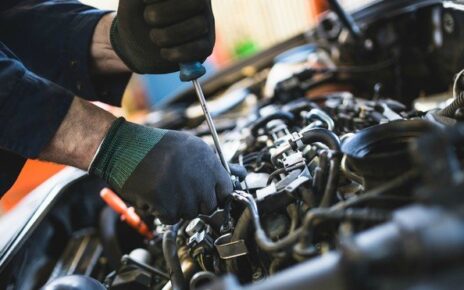


Regular car service is essential for maintaining your vehicle’s performance, safety, and longevity. Whether you drive daily or occasionally, routine maintenance ensures your car runs smoothly while preventing costly repairs in the future. This guide covers everything you need to know about car servicing, its importance, and how to stay on top of it.
What is Car Service?
Car service refers to a series of maintenance procedures carried out at regular intervals to keep a vehicle in optimal working condition. These checks involve inspecting, repairing, and replacing essential components such as oil, filters, brakes, and tires.
Why Regular Car Service is Important
Skipping routine servicing might save money in the short term, but it can lead to major problems later. Here’s why it matters:
- Improves Safety: Ensures brakes, tires, and steering systems function properly
- Enhances Performance: Keeps the engine running efficiently
- Increases Longevity: Prevents wear and tear from becoming severe
- Better Fuel Efficiency: Well-maintained engines consume less fuel
- Higher Resale Value: A properly serviced car fetches a better price
Types of Car Services
1. Interim Service
An interim service is a basic check recommended every 5,000–7,500 km or every 6 months.
Includes:
- Oil and oil filter replacement
- Brake inspection
- Fluid top-ups (coolant, brake fluid, washer fluid)
- Tire pressure check
2. Full Service
A full service is more comprehensive and typically done annually or every 10,000–15,000 km.
Includes:
- Everything in interim service
- Air filter replacement
- Spark plug inspection
- Suspension and steering checks
- Battery testing
3. Major Service
A major service is the most detailed and is usually required every 20,000–30,000 km.
Includes:
- All full service checks
- Brake fluid replacement
- Cabin filter replacement
- Transmission fluid check
- Thorough system diagnostics
Key Components Checked During Car Service
Engine Oil and Filters
Engine oil lubricates moving parts, reducing friction and preventing overheating. Dirty oil can damage the engine over time.
Brakes
Brake pads and discs are inspected to ensure effective stopping power. Worn brakes can be dangerous.
Tires
Proper tire pressure and tread depth improve handling, fuel efficiency, and safety.
Battery
A weak battery can leave you stranded. Regular checks help detect issues early.
Fluids
Essential fluids such as coolant, brake fluid, and transmission fluid are checked and topped up or replaced.
Signs Your Car Needs Servicing
Ignoring warning signs can lead to bigger problems. Look out for:
- Unusual engine noises
- Reduced fuel efficiency
- Difficulty in starting
- Warning lights on the dashboard
- Vibrations while driving
- Smoke or unusual exhaust emissions
How Often Should You Service Your Car?
The frequency depends on your car model and usage. However, a general guideline is:
- Every 6 months: Interim service
- Every 12 months: Full service
- Every 2 years: Major service
Always refer to your vehicle manufacturer’s recommendations for precise intervals.
DIY Maintenance Tips Between Services
While professional servicing is crucial, you can take simple steps to maintain your car:
- Check tire pressure regularly
- Monitor engine oil levels
- Clean air filters periodically
- Keep the car clean to prevent rust
- Listen for unusual sounds
Cost of Car Service
Car service costs vary depending on the type of service, vehicle model, and location. Typically:
- Interim Service: Low cost
- Full Service: Moderate cost
- Major Service: Higher cost but comprehensive
Regular servicing helps avoid expensive repairs, making it a worthwhile investment.
Choosing the Right Service Center
Selecting a reliable service provider is important for quality maintenance.
Consider:
- Certified and experienced technicians
- Use of genuine spare parts
- Transparent pricing
- Customer reviews and ratings
- Warranty on service
Conclusion
Car servicing is not just a routine task—it’s a critical part of vehicle ownership. Staying consistent with maintenance ensures safety, reliability, and long-term savings. By understanding service types and schedules, you can keep your car performing at its best for years to come.
FAQs
1. How long does a car service usually take?
Most car services take between 1 to 3 hours, depending on the type of service and vehicle condition.
2. Can I skip a car service if my vehicle seems fine?
No, hidden issues may exist even if the car appears to run smoothly. Regular servicing prevents unexpected breakdowns.
3. What happens if I delay car servicing?
Delaying service can lead to engine damage, reduced performance, and higher repair costs.
4. Is servicing necessary for new cars?
Yes, even new cars require periodic servicing to maintain warranty and performance.
5. What is included in an oil change service?
It typically includes replacing engine oil, oil filter, and checking basic components.
6. How do I know which service my car needs?
Refer to your car’s manual or consult a professional mechanic based on mileage and usage.
7. Does regular servicing improve fuel efficiency?
Yes, a well-maintained engine runs more efficiently, resulting in better mileage.