
Modern vehicles rely heavily on electrical systems to control everything from engine performance to safety features. When something goes wrong, electrical issues can be frustrating and difficult to pinpoint. Auto service shops use a structured diagnostic process that combines technology, experience, and systematic testing to identify and fix electrical problems accurately.
Understanding the Complexity of Automotive Electrical Systems
Today’s vehicles contain miles of wiring, dozens of sensors, and multiple control modules. Electrical problems rarely affect just one component.
Electrical systems typically include:
- Battery and charging system
- Wiring harnesses and connectors
- Sensors and control modules
- Fuses, relays, and switches
Because these systems are interconnected, accurate diagnosis is essential before any repair begins.
Gathering Information and Symptoms
Diagnosis starts with understanding how the problem presents itself. Technicians collect information before touching the vehicle.
This initial step often involves:
- Discussing warning lights or malfunctions
- Identifying intermittent or consistent issues
- Reviewing recent repairs or battery replacements
Clear symptom identification helps narrow the diagnostic path early.
Battery and Charging System Testing
Many electrical problems originate from weak power sources. Auto service shops often begin by testing the battery and charging system.
What Technicians Check
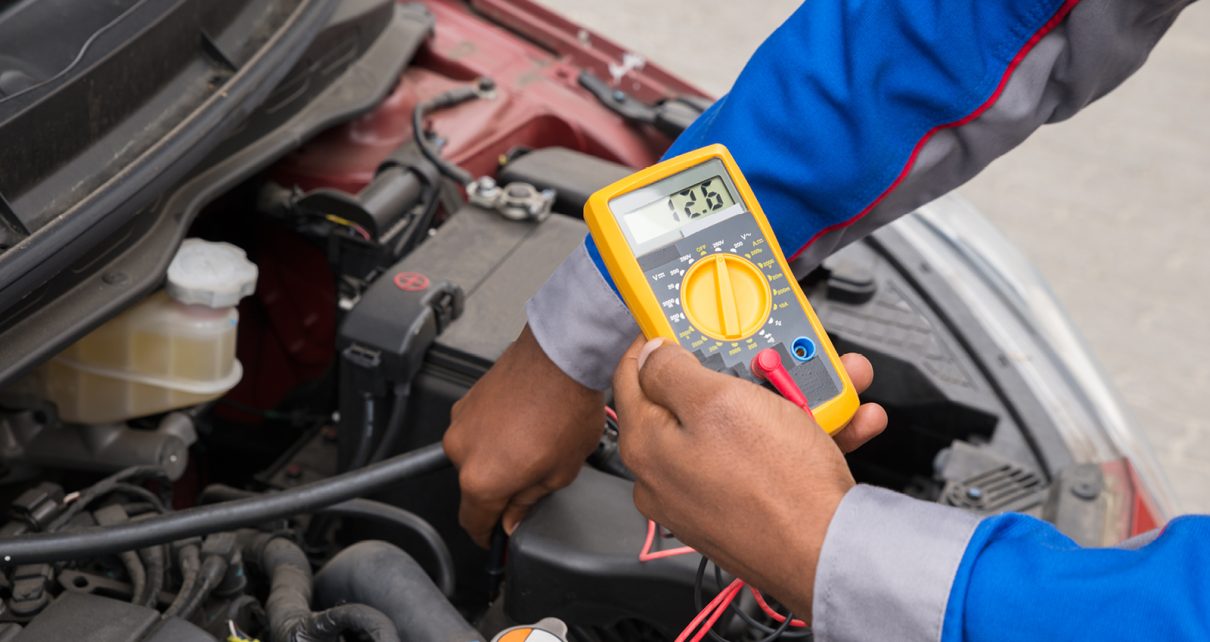
- Battery voltage and load capacity
- Alternator output and charging rate
- Condition of battery terminals and cables
A failing battery or alternator can mimic more serious electrical faults.
Visual Inspection of Wiring and Connections
Physical inspection remains a crucial part of electrical diagnosis. Loose, damaged, or corroded connections are common causes of failures.
Technicians inspect for:
- Frayed or broken wires
- Corroded connectors
- Loose grounding points
Many electrical issues are resolved simply by restoring proper connections.
Using Diagnostic Scanners and Software
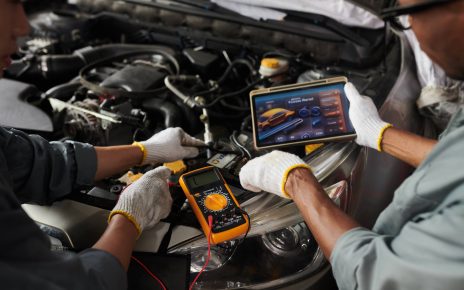
Modern vehicles store electrical fault data within onboard computers. Diagnostic scanners allow technicians to access this information.
Scanner Capabilities Include
- Reading fault codes from control modules
- Viewing live electrical data
- Monitoring sensor input and output
These tools help identify affected circuits without dismantling large sections of the vehicle.
Circuit Testing and Voltage Measurement
When fault codes aren’t enough, technicians perform detailed electrical testing.
Common tests include:
- Voltage drop testing
- Continuity testing
- Resistance measurements
These tests help isolate shorts, open circuits, or excessive resistance within wiring systems.
Testing Individual Components
Once a faulty circuit is identified, individual components are tested to confirm failure.
Components Often Tested
- Sensors and switches
- Relays and control modules
- Motors and actuators
Testing ensures that only defective parts are replaced, avoiding unnecessary repairs.
Verifying Repairs and System Function
After repairs, technicians retest the system to ensure the problem is fully resolved.
Final verification includes:
- Clearing fault codes
- Confirming proper electrical readings
- Ensuring warning lights remain off
This step confirms long-term reliability rather than a temporary fix.
Why Professional Electrical Diagnosis Matters
Electrical problems are rarely straightforward. Guessing or replacing parts blindly can worsen issues and increase costs.
Professional diagnosis provides:
- Accurate identification of faults
- Reduced repair time and expense
- Reliable long-term solutions
Experienced technicians combine tools and knowledge to solve complex electrical issues efficiently.
FAQs
Why are electrical problems so hard to diagnose?
Because many systems share wiring and power sources, one fault can cause multiple symptoms.
Can a bad battery cause multiple warning lights?
Yes. Low voltage can trigger false warnings across several systems.
Are electrical problems always related to wiring?
No. Sensors, modules, and power sources can also cause electrical issues.
Do electrical diagnostics take longer than mechanical repairs?
They can, especially when issues are intermittent or hidden within wiring.
Can electrical issues drain the battery overnight?
Yes. Parasitic draws from faulty components can discharge batteries quickly.
Is it safe to drive with electrical warning lights on?
Some issues are minor, but others can affect safety systems and should be inspected promptly.
How can I prevent electrical problems in my vehicle?
Regular battery checks, clean connections, and prompt attention to warning signs help prevent major electrical failures.