

Today’s vehicles are controlled by complex computer systems that constantly monitor engine performance. To keep up with this technology, modern auto service shops rely on computerized engine analysis to diagnose problems accurately and efficiently. This advanced approach replaces guesswork with data-driven insights, saving time, reducing costs, and improving repair accuracy.
The Evolution of Engine Diagnostics
Older vehicles relied heavily on manual inspections and mechanical intuition. While experience is still essential, modern engines generate large amounts of data that require digital tools to interpret.
Computerized analysis allows technicians to:
- Access real-time engine data
- Identify hidden issues early
- Diagnose complex problems with precision
This shift has transformed how auto service shops approach engine care.
Onboard Computer Systems and Data Collection
Every modern vehicle includes an onboard computer system that tracks engine behavior. Sensors constantly monitor conditions such as temperature, airflow, fuel delivery, and emissions.
Key Data Monitored by Engine Computers
- Engine speed and load
- Fuel-to-air ratio
- Ignition timing
- Emissions performance
This continuous data stream forms the foundation of computerized engine analysis.
Diagnostic Scanners and Software Tools
Auto service shops use advanced diagnostic scanners to communicate with a vehicle’s computer system. These tools retrieve stored data and translate it into meaningful information.
Diagnostic software helps technicians:
- Read and interpret fault codes
- View live sensor readings
- Compare data to manufacturer specifications
Modern software is updated regularly, ensuring compatibility with newer vehicle models and systems.
Identifying Faults with Precision
Computerized engine analysis does more than flag a problem—it helps narrow down the root cause. Instead of replacing parts blindly, technicians analyze patterns in the data.
Common Issues Detected Through Computer Analysis
- Sensor malfunctions
- Fuel system inefficiencies
- Ignition timing errors
- Emissions-related faults
This precision reduces unnecessary repairs and improves long-term engine reliability.
Integrating Digital Data with Physical Inspections
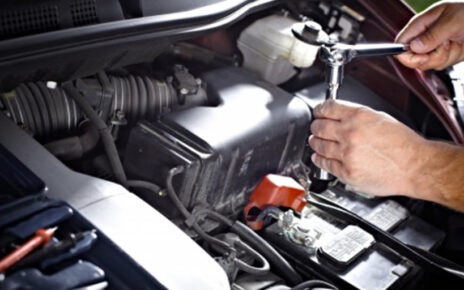
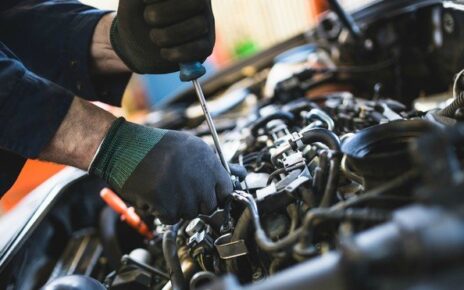
While computers provide critical insights, technicians still perform hands-on inspections to confirm findings. Data from engine analysis guides where to look and what to test.
This combined approach allows experts to:
- Verify worn or damaged components
- Detect wiring or connection issues
- Confirm whether data anomalies reflect real mechanical problems
The result is a balanced diagnostic process that blends technology with experience.
Faster Repairs and Reduced Downtime
One major advantage of computerized engine analysis is speed. Accurate diagnostics mean technicians spend less time searching for problems and more time fixing them.
Benefits for Vehicle Owners
- Shorter service visits
- Fewer repeat repairs
- Clear explanations of issues and solutions
This efficiency is especially valuable for modern vehicles with tightly integrated systems.
Supporting Preventive Maintenance
Computerized engine analysis isn’t just for breakdowns. Many shops use it as part of preventive maintenance to spot early warning signs.
Early detection helps prevent:
- Unexpected engine failures
- Decreased fuel efficiency
- Escalating repair costs
By addressing small issues early, vehicle owners can extend engine life and maintain peak performance.
Why Computerized Analysis Is Essential Today
As vehicles become more advanced, traditional diagnostic methods alone are no longer enough. Computerized engine analysis ensures accuracy, consistency, and confidence in every repair decision.
It allows auto service shops to:
- Keep pace with modern engine technology
- Deliver reliable, data-backed repairs
- Protect engine performance and longevity
FAQs
Is computerized engine analysis safe for my vehicle?
Yes. It only reads data from the vehicle’s systems and does not interfere with engine operation.
Can computerized diagnostics detect mechanical problems?
They can identify symptoms and performance irregularities, which technicians then confirm through physical inspection.
Does every auto service shop offer computerized engine analysis?
Most modern shops do, but the quality of tools and technician expertise can vary.
How accurate is computerized engine analysis?
When combined with professional interpretation, it is highly accurate and significantly reduces misdiagnosis.
Can engine analysis predict future problems?
It can identify early warning signs and trends that suggest potential future issues.
Is computerized analysis only for newer vehicles?
While most effective on modern cars, it can also assist with some older models equipped with basic onboard systems.
Does computerized diagnostics increase repair costs?
In most cases, it lowers overall costs by preventing unnecessary part replacements and repeat repairs.