

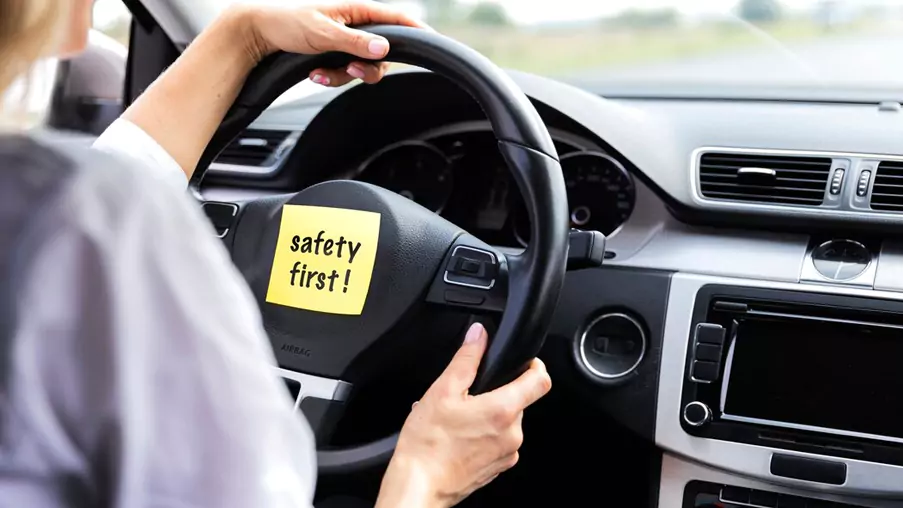
Driving is more than just getting from one place to another—it’s a responsibility that demands attention, awareness, and skill. Whether you’re a beginner or an experienced driver, refining your driving habits can significantly improve safety, fuel efficiency, and overall confidence on the road.
Essential Driving Basics Everyone Should Follow
1. Always Stay Focused
Distractions are one of the leading causes of accidents. Even a moment of inattention can be dangerous.
- Avoid using your phone while driving
- Keep conversations minimal in heavy traffic
- Stay mentally alert, especially on long drives
2. Maintain Proper Speed
Driving too fast or too slow can both be risky.
- Follow posted speed limits
- Adjust speed based on weather and road conditions
- Slow down in residential or crowded areas
3. Keep a Safe Following Distance
Tailgating reduces reaction time and increases accident risk.
- Follow the 3-second rule in normal conditions
- Increase distance in rain, fog, or night driving
Defensive Driving Techniques
1. Anticipate Other Drivers’ Actions
Not everyone follows the rules. Be prepared.
- Watch for sudden lane changes
- Expect mistakes at intersections
- Stay cautious around aggressive drivers
2. Use Mirrors Effectively
Your mirrors are your second set of eyes.
- Check mirrors every 5–10 seconds
- Adjust them properly before starting
- Be aware of blind spots
3. Signal Early and Clearly
Communication on the road is crucial.
- Use indicators before turning or changing lanes
- Avoid last-second signals
- Make your intentions predictable
Driving in Different Conditions
1. Rainy Weather
Wet roads reduce traction.
- Drive slower than usual
- Avoid sudden braking
- Use headlights for visibility
2. Night Driving
Reduced visibility increases risks.
- Keep headlights clean and properly aligned
- Avoid looking directly at oncoming headlights
- Stay extra alert for pedestrians
3. Foggy Conditions
Fog limits visibility significantly.
- Use fog lights or low beams
- Avoid high beams (they reflect back)
- Drive slowly and cautiously
Fuel-Efficient Driving Habits
1. Avoid Rapid Acceleration
Sudden speed changes waste fuel.
- Accelerate gradually
- Maintain steady speed
2. Reduce Idle Time
Idling consumes unnecessary fuel.
- Turn off engine during long stops
- Avoid warming up the engine excessively
3. Keep Your Vehicle Maintained
A well-maintained car runs more efficiently.
- Check tire pressure regularly
- Service the engine on time
- Replace air filters when needed
Smart Habits for Long-Term Driving Safety
1. Stay Calm and Patient
Road rage can lead to dangerous situations.
- Don’t react aggressively
- Give way when necessary
- Keep emotions in check
2. Follow Traffic Rules Strictly
Rules exist to protect everyone.
- Stop at signals and signs
- Respect pedestrian crossings
- Wear seatbelts at all times
3. Take Breaks on Long Drives
Fatigue affects reaction time.
- Stop every 2–3 hours
- Stretch and refresh yourself
- Avoid driving when sleepy
Tips for Beginner Drivers
- Practice in low-traffic areas first
- Learn parking and reversing slowly
- Drive with an experienced person initially
- Build confidence gradually
Frequently Asked Questions (FAQs)
1. What is the safest speed to drive at?
The safest speed is the posted speed limit adjusted for road and weather conditions. Slower speeds are safer in poor visibility or heavy traffic.
2. How can I improve my driving confidence?
Practice regularly, start in less crowded areas, and gradually move to more complex traffic situations.
3. Why is defensive driving important?
It helps you anticipate risks and avoid accidents caused by other drivers’ mistakes.
4. How often should I check my mirrors while driving?
Ideally, every 5–10 seconds to stay aware of surrounding traffic.
5. What should I do if I feel sleepy while driving?
Pull over safely and rest. Driving while tired is as dangerous as driving under the influence.
6. Is it okay to use cruise control all the time?
No, avoid using it in heavy traffic, rain, or hilly areas where control is essential.
7. How can I save fuel while driving?
Drive smoothly, avoid rapid acceleration, maintain steady speeds, and keep your vehicle well maintained.