

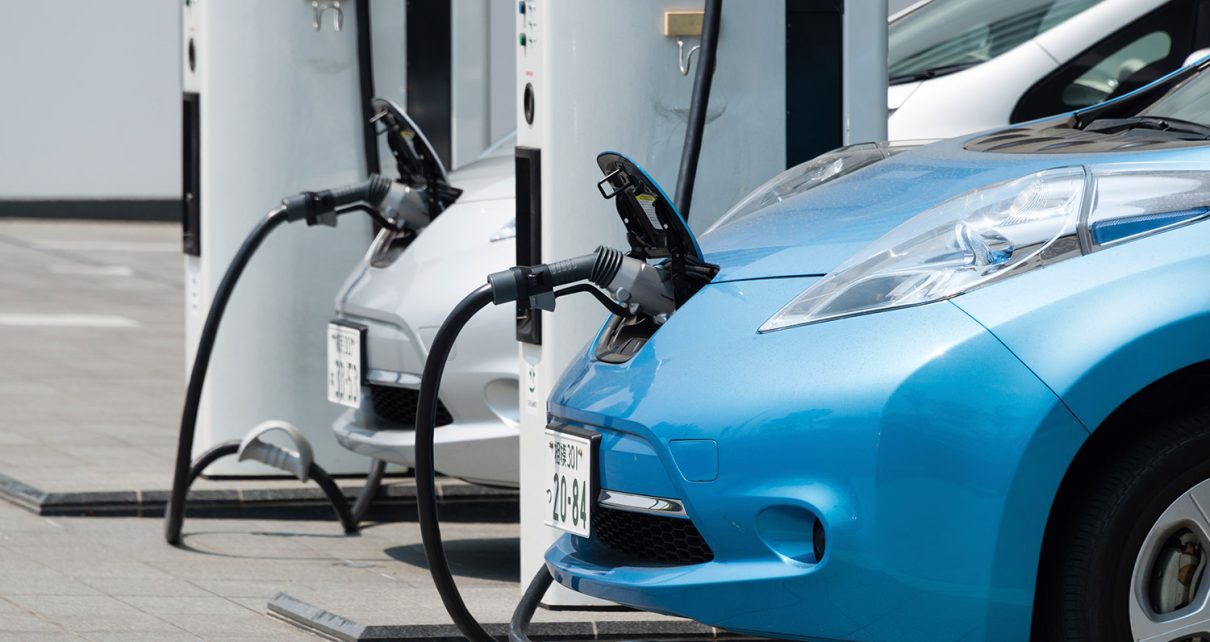
Introduction to Electric Vehicles
Electric Vehicles (EVs) are transforming the way people travel by replacing traditional fuel-powered engines with electric motors. Instead of relying on petrol or diesel, EVs use rechargeable batteries to power movement, making them a cleaner and more sustainable alternative.
As concerns about climate change and rising fuel costs grow, EV adoption is accelerating across the world. Governments, manufacturers, and consumers are increasingly embracing this shift toward greener mobility.
How Electric Vehicles Work
Electric vehicles operate using a combination of advanced components:
- Battery Pack: Stores electrical energy
- Electric Motor: Converts electrical energy into motion
- Controller: Regulates power flow
- Charging System: Recharges the battery from external sources
Unlike internal combustion engine vehicles, EVs do not require fuel combustion, which significantly reduces emissions and mechanical complexity.
Advantages of Electric Vehicles
1. Environmentally Friendly
- Zero tailpipe emissions
- Reduced air pollution
- Lower carbon footprint
2. Cost-Effective in the Long Run
- Lower fuel costs compared to petrol/diesel
- Reduced maintenance expenses due to fewer moving parts
3. Smooth and Quiet Performance
- Minimal noise pollution
- Instant torque for faster acceleration
4. Energy Efficiency
- Higher energy conversion efficiency than traditional vehicles
- Regenerative braking improves battery usage
5. Government Incentives
- Tax benefits and subsidies in many regions
- Reduced registration and operational costs
Challenges of Electric Vehicles
1. Limited Charging Infrastructure
- Fewer charging stations compared to fuel pumps
- Longer charging time than refueling
2. High Initial Cost
- Batteries are expensive, increasing upfront price
- Limited affordability for some consumers
3. Range Anxiety
- Fear of running out of charge during long trips
- Limited range compared to conventional vehicles
4. Battery Issues
- Degradation over time
- Recycling and disposal challenges
5. Dependence on Electricity Sources
- Environmental impact depends on how electricity is generated
- Fossil-fuel-based power reduces sustainability benefits
Types of Electric Vehicles
1. Battery Electric Vehicles (BEVs)
- Fully electric with no fuel engine
- Examples: Tesla, Nissan Leaf
2. Plug-in Hybrid Electric Vehicles (PHEVs)
- Combine electric motor with fuel engine
- Can run on both electricity and fuel
3. Hybrid Electric Vehicles (HEVs)
- Use both systems but cannot be plugged in
- Battery charges through regenerative braking
Future Outlook of Electric Vehicles
1. Expansion of Charging Networks
Charging infrastructure is rapidly growing, making EVs more practical for daily use and long-distance travel.
2. Advancements in Battery Technology
- Faster charging times
- Increased range
- Lower production costs
3. Rise of Autonomous EVs
Integration of artificial intelligence will lead to self-driving electric vehicles, improving safety and convenience.
4. Government Policies and Regulations
Countries are setting deadlines to phase out fuel-powered vehicles and promote EV adoption.
5. Integration with Renewable Energy
EVs will increasingly be powered by solar and wind energy, making transportation more sustainable.
Are Electric Vehicles the Future?
Electric vehicles are not just a trend—they represent a major shift in the automotive industry. While challenges remain, continuous innovation and infrastructure development are making EVs more accessible and practical.
As technology improves and costs decrease, EVs are expected to dominate the global transportation landscape in the coming decades.
Frequently Asked Questions (FAQs)
1. How long does it take to charge an electric vehicle?
Charging time can range from 30 minutes (fast charging) to several hours depending on the charger type and battery size.
2. Are electric vehicles suitable for long-distance travel?
Yes, but it depends on the availability of charging stations and the vehicle’s range.
3. Do electric vehicles require less maintenance?
Yes, EVs have fewer moving parts, which reduces maintenance needs compared to traditional vehicles.
4. How long do EV batteries last?
Most EV batteries last between 8–15 years, depending on usage and maintenance.
5. Are electric vehicles completely eco-friendly?
They produce zero emissions during operation, but environmental impact depends on battery production and electricity sources.
6. What happens if an EV runs out of charge?
The vehicle will stop, and it needs to be recharged or towed to the nearest charging station.
7. Are electric vehicles expensive?
They have higher upfront costs but lower running and maintenance costs over time.