

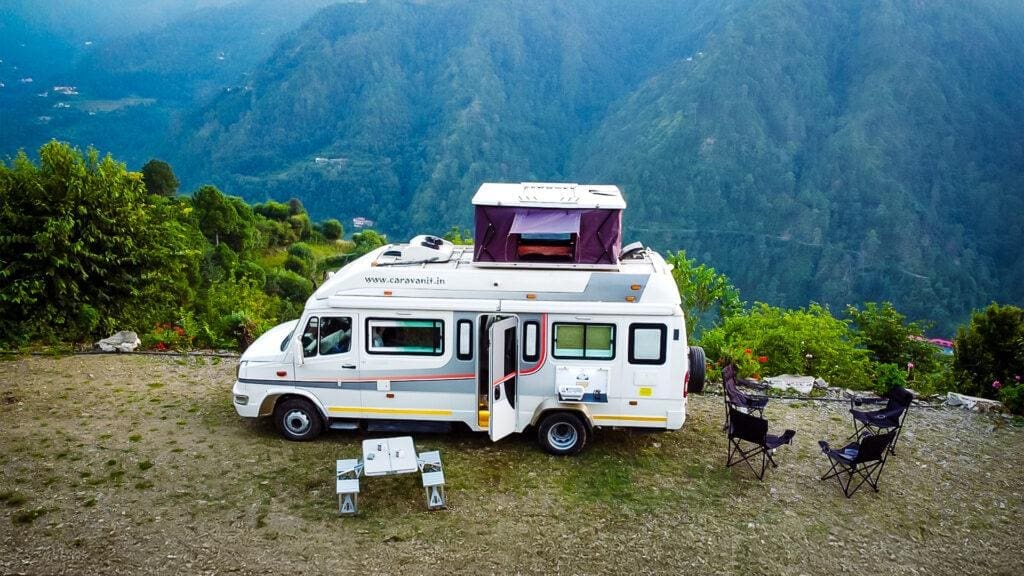
The dream of hitting the open road is a powerful one. For many Australians, the idea of packing up and driving into the outback or along the coast offers a sense of freedom that is hard to beat. However, the vehicle you choose acts as your transport, kitchen, and bedroom all at once. Getting this decision right is the first step towards a successful trip.
The market is filled with options, ranging from compact pop-tops to expansive converted buses. When looking at the various motorhomes for sale Australia has available, it is helpful to start with a clear picture of your specific needs. The number of people travelling, the duration of your trip, and the type of terrain you plan to cover will all dictate which model suits you best.
Narrowing down your options requires looking at practicalities rather than just aesthetics. A vehicle might look fantastic on the lot, but if the bed is too short or the kitchen is unusable, it will quickly become frustrating. Focusing on layout, size, and essential systems will help you find a campervan that supports your travel style reliably.
Assessing the Layout
The interior design determines how liveable the space feels. In a confined area, every centimetre matters. Start by checking the sleeping arrangements. Some layouts feature a fixed bed, which means you do not have to make it up every night, but it takes up significant floor space. Others use a convertible dinette that transforms into a bed, offering a lounge area during the day.
Kitchen functionality is another major factor. A usable kitchenette should have a sink with running water, a fridge, and a stove. Consider how you like to cook. If you plan on preparing complex meals, you will need decent bench space. Storage is also vital. Look for deep drawers, overhead lockers, and smart cubbies that keep your gear secure while driving.
Size and Manoeuvrability
The physical size of the campervan impacts where you can go and how easy the driving experience will be. Smaller vans are easier to park in city centres and can often fit under height barriers at shopping centres or beach car parks. They are generally more fuel-efficient and handle similarly to a large car.
Larger vehicles offer more luxury and space but come with trade-offs. They can be harder to manoeuvre down narrow bush tracks or through busy towns. You also need to be mindful of overhead clearance. It is wise to test drive different sizes to see what you feel comfortable handling, especially if you plan to cover long distances on winding roads.
Power and Water Systems
For independent travel away from powered campsites, your onboard systems are essential. A robust electrical setup usually involves a secondary battery charged by the engine while driving, often supplemented by solar panels. This powers your lights, fridge, and water pump. Check that the battery capacity matches your expected usage.
Water capacity dictates how long you can stay off-grid. You need a freshwater tank for drinking and washing, and ideally a grey water tank to catch waste. An external shower is a practical addition for rinsing off sand after a beach day. By prioritising these functional elements, you ensure your campervan is ready for whatever the Australian road throws at it.