

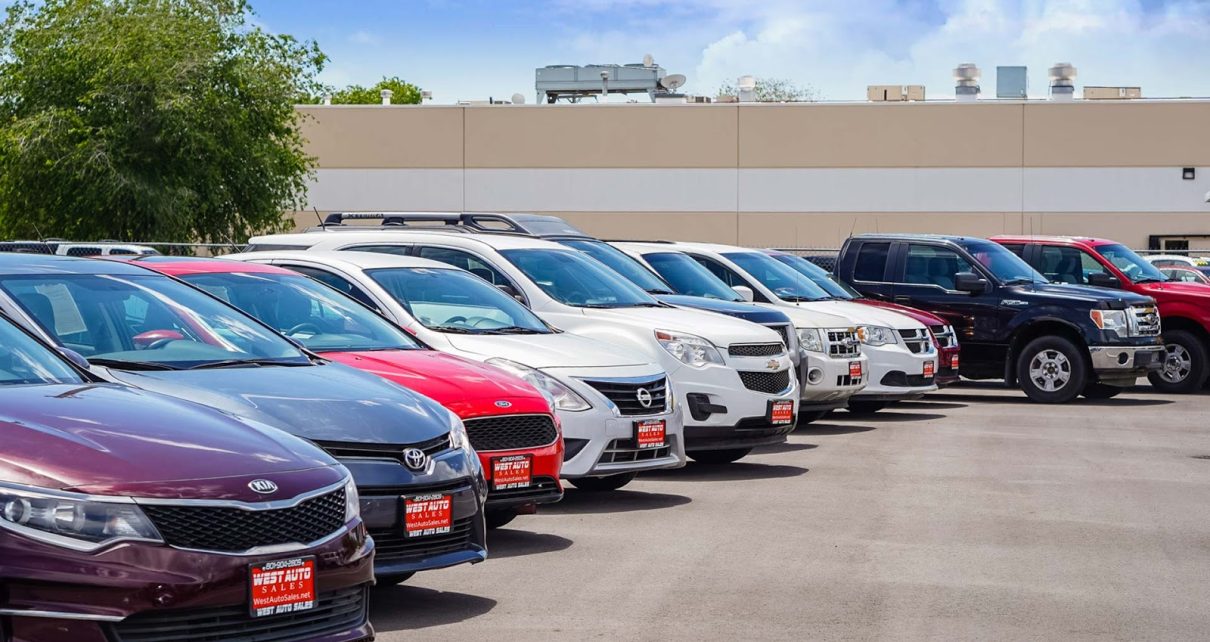
Buying a used car is one of the most practical financial decisions you can make. Whether you’re a first-time buyer or upgrading your ride, the used car market offers excellent value, lower depreciation, and a wide range of options. However, making the right choice requires careful planning, research, and attention to detail.
Why Choose a Used Car?
A used car can offer more benefits than a brand-new vehicle, especially for budget-conscious buyers.
Key Advantages
- Lower Cost: Used cars are significantly cheaper than new ones.
- Reduced Depreciation: New cars lose value quickly, while used cars depreciate more slowly.
- Lower Insurance Premiums: Insurance costs are generally lower for used vehicles.
- More Choices: You can afford higher-end models within the same budget.
Types of Used Cars
Understanding the different categories helps you make a smarter choice.
1. Certified Pre-Owned (CPO) Cars
- Inspected and refurbished by manufacturers or dealers
- Come with warranties
- Slightly higher price but greater peace of mind
2. Dealer-Owned Used Cars
- Sold by authorized or independent dealerships
- Often include limited warranties and financing options
3. Private Seller Cars
- Usually cheaper
- No warranty
- Requires careful inspection and verification
What to Check Before Buying a Used Car
A thorough inspection can save you from costly mistakes.
Mechanical Condition
- Engine performance
- Brake condition
- Suspension and steering
Exterior and Interior
- Paint consistency (watch for repainting)
- Rust or dents
- Seat and dashboard condition
Documentation
- Registration certificate (RC)
- Insurance papers
- Service history
- Pollution certificate (PUC)
Mileage and Usage
- Lower mileage is generally better
- Check if usage matches the car’s age
How to Inspect a Used Car
Visual Inspection
- Look for uneven paint or panel gaps
- Check tire wear for alignment issues
Test Drive Checklist
- Smooth acceleration
- No unusual engine noise
- Proper braking response
- Comfortable handling
Professional Inspection
- Hiring a mechanic is highly recommended
- Helps detect hidden problems
Pricing and Negotiation Tips
Research Market Value
- Compare similar models online
- Check resale value trends
Negotiation Strategies
- Highlight flaws to negotiate price
- Be prepared to walk away
- Avoid emotional decisions
Best Time to Buy a Used Car
Timing can influence pricing and availability.
- End of Financial Year: Sellers may offer discounts
- Festive Seasons: More deals and offers
- Month-End: Dealers may push to meet sales targets
Common Mistakes to Avoid
- Skipping inspection
- Ignoring service history
- Not verifying ownership
- Overlooking hidden costs (transfer fees, repairs)
- Rushing the decision
Used Car Financing Options
Even used cars can be financed easily.
- Bank Loans: Competitive interest rates
- NBFCs: Flexible eligibility criteria
- Dealer Financing: Convenient but may have higher rates
Maintenance Tips After Purchase
- Change engine oil and filters immediately
- Check brakes and tires
- Update insurance and documents
- Follow regular service schedules
Conclusion
A used car can be a smart, cost-effective investment when chosen carefully. By doing proper research, inspecting the vehicle thoroughly, and negotiating wisely, you can find a reliable car that fits your budget and lifestyle.
FAQs About Used Cars
1. Is buying a used car safe?
Yes, if you properly inspect the vehicle, verify documents, and ideally consult a mechanic.
2. What is the ideal mileage for a used car?
Typically, under 60,000–80,000 km is considered good, but maintenance matters more than mileage.
3. Should I buy from a dealer or a private seller?
Dealers offer reliability and documentation, while private sellers may offer lower prices.
4. How do I check if a used car has accidents?
Look for paint mismatches, uneven panels, and request service/insurance history.
5. Can I get a loan for a used car?
Yes, most banks and financial institutions offer loans for used vehicles.
6. What documents are required when buying a used car?
RC, insurance papers, PUC certificate, and service history are essential.
7. How much can I negotiate on a used car price?
Negotiation typically ranges from 5% to 15%, depending on the car’s condition and market demand.