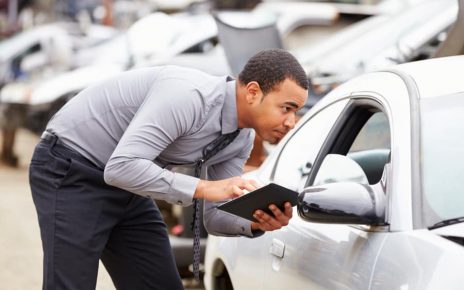


Introduction
Buying a car is a major financial decision, and the dealer you choose can significantly shape your experience. A reliable car dealer ensures transparency, fair pricing, and long-term support, while the wrong one can lead to hidden costs and frustration. Knowing how to evaluate dealers helps you make a confident and informed choice.
Why Choosing the Right Car Dealer Matters
The right dealer doesn’t just sell you a car—they provide trust, guidance, and after-sales support.
Key benefits include:
- Transparent pricing without hidden charges
- Access to genuine vehicles and documents
- Better financing and warranty options
- Reliable after-sales service
Types of Car Dealers to Consider
Authorized Dealerships
Authorized dealers are directly linked to manufacturers. They are ideal if you want:
- Brand-new vehicles
- Manufacturer-backed warranties
- Certified servicing
Independent Dealers
Independent dealers offer more variety, especially for used cars. They often provide:
- Competitive pricing
- Multiple brands in one place
- Flexible negotiations
Key Factors to Evaluate Before Choosing a Dealer
1. Reputation and Reviews
Start by checking online reviews and ratings. Look for consistent feedback about:
- Customer service
- Pricing honesty
- Post-sale support
A dealer with strong word-of-mouth reputation is usually more trustworthy.
2. Transparency in Pricing
A reliable dealer clearly explains:
- Vehicle cost breakdown
- Taxes and registration fees
- Additional charges (insurance, accessories)
Avoid dealers who hesitate to provide a written quotation.
3. Vehicle Quality and Certification
For used cars, ensure the dealer offers:
- Inspection reports
- Service history
- Certification or warranty
This reduces the risk of unexpected repairs.
4. Financing Options
Many dealers provide financing solutions, but terms can vary.
Compare:
- Interest rates
- Loan tenure
- Down payment requirements
Choose a dealer who explains financing clearly without pressure.
5. After-Sales Service
A good dealer relationship doesn’t end after purchase.
Look for:
- Service centers
- Maintenance packages
- Easy warranty claims
This is especially important for long-term ownership.
6. Test Drive Experience
A trustworthy dealer encourages test drives without pressure. Pay attention to:
- Vehicle condition
- Dealer behavior
- Willingness to answer questions
Red Flags to Avoid
Be cautious if you notice:
- Unclear pricing or hidden fees
- Pressure to make immediate decisions
- Lack of proper documentation
- Poor customer reviews
- Refusal to allow inspections or test drives
These signs often indicate unreliable dealers.
Tips for Making the Final Decision
- Visit multiple dealerships before deciding
- Compare offers rather than choosing the first option
- Bring a knowledgeable friend or mechanic if possible
- Trust your instincts—if something feels off, walk away
Conclusion
Choosing the right car dealer is just as important as choosing the right car. By focusing on reputation, transparency, service quality, and pricing, you can ensure a smooth and satisfying buying experience. Take your time, do your research, and prioritize trust over convenience.
Frequently Asked Questions (FAQs)
1. How do I know if a car dealer is trustworthy?
Check online reviews, ask for recommendations, and evaluate how transparent they are about pricing and documentation.
2. Is it better to buy from an authorized dealer or an independent dealer?
Authorized dealers are ideal for new cars and warranties, while independent dealers may offer better deals on used vehicles.
3. Should I negotiate with a car dealer?
Yes, negotiation is common. Always compare prices and be prepared to walk away if the deal isn’t fair.
4. What documents should I check before buying a car?
Verify registration papers, insurance, service history, and ownership records.
5. Do car dealers offer financing options?
Most dealers provide financing, but it’s important to compare interest rates and terms with banks or lenders.
6. Can I return a car after buying it from a dealer?
Policies vary by dealer. Always ask about return or exchange policies before purchasing.
7. How many dealerships should I visit before buying a car?
It’s recommended to visit at least 2–3 dealers to compare pricing, service, and options.