
What Are Auto Parts?
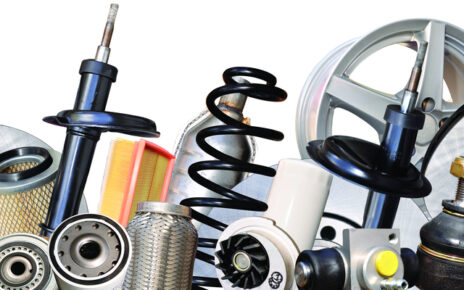
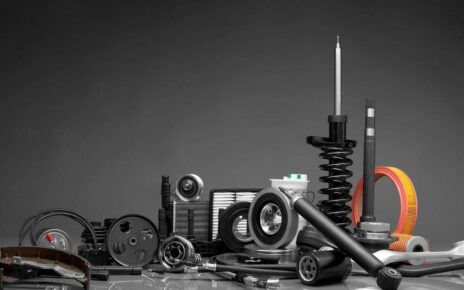
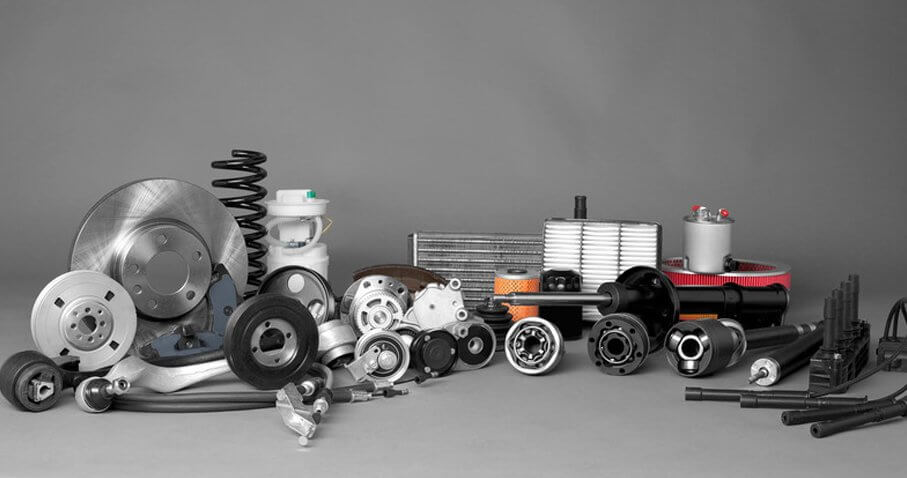
Auto parts are the individual components that make up a vehicle and allow it to function efficiently. From the engine that powers the car to the smallest sensors that monitor performance, each part plays a critical role. Whether you drive a compact car, SUV, or truck, understanding these components helps you make better maintenance and purchasing decisions.
Main Categories of Auto Parts
1. Engine Components
The engine is the heart of any vehicle, responsible for generating power.
Key engine parts include:
- Pistons – Move up and down to create combustion
- Crankshaft – Converts motion into rotational force
- Cylinder Head – Houses valves and spark plugs
- Timing Belt/Chain – Synchronizes engine components
A well-maintained engine ensures better fuel efficiency and longevity.
2. Transmission System
The transmission transfers power from the engine to the wheels.
Types of transmissions:
- Manual Transmission – Requires driver input via clutch
- Automatic Transmission – Shifts gears automatically
- CVT (Continuously Variable Transmission) – Smooth, gearless operation
Important parts:
- Clutch
- Gearbox
- Torque converter
3. Brake System
Safety depends heavily on the braking system.
Core components:
- Brake Pads – Create friction to stop the car
- Brake Discs/Rotors – Work with pads for stopping power
- Calipers – Apply pressure to pads
- Brake Fluid – Transfers force within the system
Regular inspection prevents accidents and costly repairs.
4. Suspension and Steering
These parts ensure comfort and control while driving.
Key elements:
- Shock Absorbers – Reduce impact from road bumps
- Struts – Provide structural support
- Control Arms – Connect wheels to the frame
- Steering Rack – Helps turn the wheels smoothly
A healthy suspension system improves handling and ride quality.
5. Electrical Components
Modern vehicles rely heavily on electronics.
Common electrical parts:
- Battery – Powers the car and starts the engine
- Alternator – Charges the battery while driving
- Starter Motor – Initiates engine operation
- Sensors & ECU – Monitor and control systems
Faulty electrical parts can lead to starting issues and poor performance.
6. Exhaust System
This system manages emissions and reduces noise.
Components include:
- Exhaust Manifold
- Catalytic Converter – Reduces harmful gases
- Muffler – Minimizes noise
- Oxygen Sensors – Monitor emission levels
A properly functioning exhaust system ensures environmental compliance.
OEM vs Aftermarket Auto Parts
Understanding the difference is essential when replacing components.
OEM (Original Equipment Manufacturer):
- Made by the vehicle’s manufacturer
- Perfect fit and reliability
- Usually more expensive
Aftermarket Parts:
- Produced by third-party companies
- More affordable
- Wider variety, but quality varies
Tip: Always balance cost with quality—cheap parts can lead to frequent replacements.
How to Choose the Right Auto Parts
Selecting the correct parts can save time and money.
Consider these factors:
- Vehicle Compatibility – Match part numbers and specifications
- Quality Standards – Look for certifications and reviews
- Warranty – Reliable parts often come with guarantees
- Brand Reputation – Trusted brands reduce risk
Maintenance Tips for Longer Lifespan
Proper care extends the life of your vehicle parts.
Best practices:
- Perform regular servicing
- Replace filters and fluids on schedule
- Check brakes and tires frequently
- Keep an eye on warning lights
- Use high-quality lubricants
Preventive maintenance is always cheaper than major repairs.
Signs You Need to Replace Auto Parts
Recognizing early warning signs can prevent breakdowns.
Watch for:
- Unusual noises (grinding, squeaking)
- Decreased performance or fuel efficiency
- Vibrations while driving
- Warning lights on dashboard
- Difficulty starting the vehicle
Future Trends in Auto Parts
The automotive industry is evolving rapidly.
Emerging trends:
- Electric vehicle (EV) components
- Smart sensors and AI diagnostics
- Lightweight materials for efficiency
- Eco-friendly manufacturing
Staying informed helps you adapt to modern vehicle technologies.
FAQs About Auto Parts
1. What are the most frequently replaced auto parts?
Brake pads, oil filters, air filters, spark plugs, and batteries are among the most commonly replaced components.
2. How often should auto parts be inspected?
Basic inspections should be done every 5,000–10,000 km, depending on the vehicle and usage.
3. Are aftermarket parts reliable?
Yes, but it depends on the manufacturer. Always choose reputable brands with positive reviews.
4. Can I install auto parts myself?
Simple parts like filters or wipers can be DIY, but complex systems (engine, transmission) require professional expertise.
5. What happens if I delay replacing worn-out parts?
Delaying replacements can lead to bigger failures, higher costs, and safety risks.
6. How do I verify part compatibility?
Check your vehicle’s manual, VIN number, or consult a trusted mechanic or parts dealer.
7. Do expensive auto parts always mean better quality?
Not necessarily. Price doesn’t always guarantee quality—research and reviews are more important.