

Introduction
The automobile industry is undergoing one of the most significant transformations in its history. Driven by rapid technological innovation, environmental concerns, and shifting consumer preferences, the modern auto sector is no longer just about transportation—it’s about mobility, sustainability, and connectivity.
From electric vehicles to autonomous driving systems, the future of automobiles is evolving faster than ever before.
Evolution of Automobiles
The journey of automobiles began in the late 19th century with simple mechanical vehicles. Over time, innovation transformed cars into sophisticated machines.
Key Milestones
- 1886 – First gasoline-powered car invented
- 1913 – Introduction of assembly line production
- 1990s – Rise of fuel-efficient and hybrid vehicles
- 2010s – Growth of electric and smart cars
Today, cars are equipped with AI-powered systems, advanced safety features, and digital connectivity.
Key Trends Shaping the Auto Industry
1. Electric Vehicles (EVs)
Electric vehicles are becoming the backbone of modern mobility.
- Reduced carbon emissions
- Lower fuel costs
- Government incentives worldwide
Countries are pushing toward zero-emission transportation, making EV adoption inevitable.
2. Autonomous Driving Technology
Self-driving cars are no longer science fiction.
- Advanced driver-assistance systems (ADAS)
- AI-based navigation and decision-making
- Reduced human error and accidents
While full autonomy is still evolving, partial automation is already common.
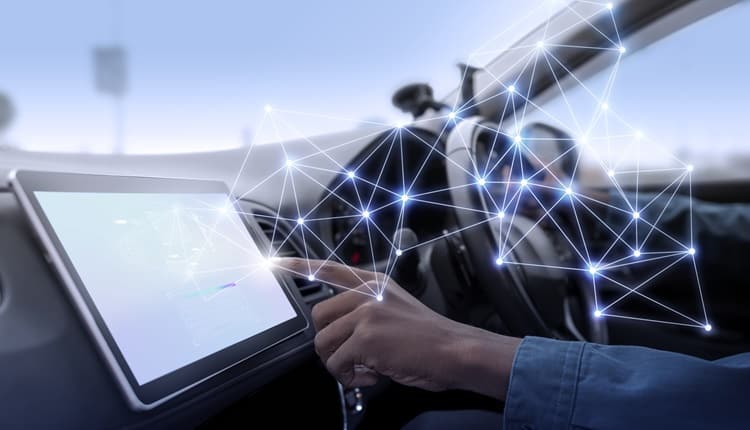
3. Connected Cars
Modern vehicles are now part of a larger digital ecosystem.
- Real-time navigation and traffic updates
- Remote vehicle control via apps
- Integration with smart home devices
Connectivity enhances both convenience and safety.
4. Sustainability and Green Mobility
Environmental awareness is pushing automakers toward eco-friendly solutions.
- Use of recyclable materials
- Hydrogen fuel cell technology
- Improved fuel efficiency
Sustainability is no longer optional—it’s a core business strategy.
Types of Modern Automobiles
Electric Vehicles (EVs)
Powered entirely by electricity, offering zero tailpipe emissions.
Hybrid Vehicles
Combine internal combustion engines with electric motors for better efficiency.
Internal Combustion Engine (ICE) Cars
Traditional vehicles still dominate but are gradually declining.
Luxury and Sports Cars
Focused on performance, design, and advanced features.
Challenges Facing the Auto Industry
Despite rapid growth, the industry faces several challenges:
- High production costs of electric vehicles
- Limited charging infrastructure in some regions
- Battery recycling and environmental concerns
- Cybersecurity risks in connected cars
Manufacturers must balance innovation with affordability and reliability.
Opportunities Ahead
The future holds immense potential:
- Expansion of EV charging networks
- Integration of AI and machine learning
- Growth in shared mobility services
- Smart cities supporting autonomous vehicles
The industry is moving toward a world where mobility is seamless, efficient, and sustainable.
Conclusion
The automobile industry is no longer just about building cars—it’s about creating intelligent mobility solutions. As technology continues to evolve, vehicles will become smarter, cleaner, and more connected. Businesses that adapt to these changes will shape the future of transportation.
Frequently Asked Questions (FAQs)
1. What is the biggest trend in the auto industry today?
The shift toward electric vehicles (EVs) is the most significant trend due to environmental concerns and government policies.
2. Are electric cars better than petrol cars?
Electric cars are more eco-friendly and cost-efficient in the long run, though they may have higher upfront costs.
3. What are autonomous vehicles?
Autonomous vehicles are cars that can drive themselves using AI, sensors, and software with minimal or no human input.
4. How do hybrid cars work?
Hybrid cars use a combination of a petrol engine and an electric motor to improve fuel efficiency.
5. What is a connected car?
A connected car can communicate with other devices, networks, and infrastructure to provide real-time information and services.
6. What challenges do electric vehicles face?
Key challenges include battery cost, charging infrastructure, and range limitations.
7. What is the future of the automobile industry?
The future lies in electric, autonomous, and connected vehicles, supported by sustainable technologies and smart infrastructure.